
Luggage safety tips are essential for every traveller who wants to protect their bags, valuables and personal belongings. Whether you travel by bus, train, flight or car, crowded stations, airports and public transport can increase the risk of theft or misplaced luggage. Travellers can also accidentally leave their belongings behind when rushing to catch a connecting vehicle or reach their destination.
Fortunately, following practical luggage safety tips can help you stay organised and reduce the chances of losing important items. From using luggage locks and identification tags to adopting smart tracking technology, a few simple precautions can make your journey more secure.
Here are 10 essential luggage safety tips to help you protect your belongings and enjoy a more organised travel experience. You can also explore QTrace tracking products for additional support in keeping track of compatible personal items.
1. Luggage Safety Tips: Keep Valuable Items Separate
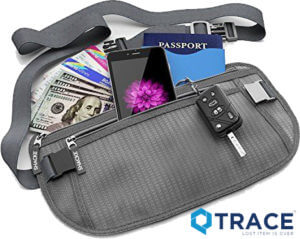
One of the most useful luggage safety tips is to keep your valuable belongings in a separate carry-on bag. Store essential items such as your wallet, mobile phone, laptop, camera, passport, medicines and travel documents where you can access them easily.
Avoid placing expensive electronics, cash or important documents in luggage that you cannot keep within sight. On buses and trains, position your bag securely and check it regularly. On flights, follow airline instructions for storing carry-on baggage and keeping essential items accessible.
It is also wise to maintain secure digital copies of important travel documents. Store them in a protected account so you can access essential information if the originals go missing.
2. Luggage Safety Tips: Use Reliable Bag Locks

Using a suitable luggage lock can make unauthorised access more difficult. Choose a reliable lock that fits your suitcase and check any baggage inspection requirements that apply to your destination or airline.
Keep zips closed and avoid leaving outer pockets open. If your lock uses a combination, choose a code that is difficult to guess. Never write the code on the outside of your bag or keep a spare key beside the lock.
When travelling by train or bus, use designated luggage storage areas and keep your belongings within sight whenever possible. Avoid fastening luggage to fixtures in ways that could create a safety hazard or violate transport rules.
Remember that locks are a deterrent rather than a guarantee against theft. Combine them with other luggage safety tips, including regular checks and secure storage.
3. Luggage Safety Tips: Create a Checklist of Your Belongings
A luggage checklist can help you avoid leaving important items behind. Before travelling, list the contents of each bag, including clothing, chargers, headphones, medicines, electronic devices and travel documents.
Check your list before leaving a hotel room, train compartment, airport lounge, bus or taxi. Count your bags whenever you change transport and inspect your seating area before getting off.
You can also maintain a digital checklist on your smartphone. Tick off each item while packing and repeat the process when you reach your destination. This approach is particularly useful for families, business travellers and people carrying multiple bags.
These luggage safety tips are especially helpful during connecting journeys, when travellers may be distracted by departure announcements, queues or changes to their travel plans.
4. Luggage Safety Tips: Choose Distinctive and Colourful Bags

Choosing distinctive luggage makes it easier to recognise your bag at airports, railway stations and crowded bus terminals. Many suitcases have similar designs, so a unique colour or pattern can help prevent accidental mix-ups.
If you already own a plain suitcase, add a bright luggage strap, a distinctive tag or another easily recognisable accessory. Taking a photograph of your bag before departure can also help transport staff identify it if it becomes misplaced.
However, avoid displaying your complete home address, passport number or sensitive personal information on an external tag. Keep your luggage identifiable without unnecessarily exposing private details.
Although distinctive luggage cannot guarantee protection from theft, it can reduce confusion and make it easier to identify your belongings quickly.
5. Luggage Safety Tips: Use Two Identification Tags

Attach an identification tag to the outside of your suitcase and place a second identification card inside it. If the external tag becomes damaged or detached, the information inside can help staff identify the owner.
Include your name and a reliable contact method, such as an email address or travel contact number. If necessary, include a destination contact number for your trip.
For privacy, avoid displaying your full home address or sensitive identification numbers on the outside of your luggage. Review your contact details before every journey and replace outdated tags.
These luggage safety tips can make it easier to identify misplaced bags. You can also learn more about suitable tracking options on the official QTrace website.
6. Luggage Safety Tips: Stay Alert Around Strangers
Meeting new people is part of the travel experience, but it is important to remain aware of your belongings around unfamiliar passengers. Never leave your bags with a stranger simply because they offer to watch them while you walk away.
Avoid accepting food, drinks or packages when you cannot verify their safety. Never agree to carry an unknown person’s luggage through airport security or across international borders.
Keep your wallet, phone and valuables secure in crowded areas. If someone distracts you with an unusual request, remain aware of your surroundings and check your belongings.
If you notice suspicious activity, avoid confrontation when it could put you at risk. Instead, report the matter to authorised transport staff or security personnel.
7. Luggage Safety Tips: Divide Responsibilities Among Travellers
Carrying too many bags can make it difficult to monitor everything, particularly when changing trains, boarding buses or navigating busy airports. Pack only what you need and choose luggage you can manage comfortably.
If you are travelling with family or friends, assign responsibility for specific bags. One person can check the suitcases while another looks after carry-on bags and travel documents.
Before boarding or leaving a vehicle, confirm that everyone has collected their assigned belongings. Adults should help children and anyone who needs assistance with luggage management.
Use a shared checklist or count the group’s bags whenever you change transport. Clear responsibilities make these luggage safety tips easier to follow throughout your journey.
8. Luggage Safety Tips: Check Your Seat and Storage Area
When boarding a bus or train, confirm your seat and identify the appropriate luggage storage area. Keep smaller bags close to you whenever possible and place larger bags in designated storage spaces.
Remember where you have stored your belongings and check them periodically, particularly when passengers enter or leave at busy stops. On flights, follow cabin crew instructions for storing carry-on baggage safely.
Before leaving your seat, inspect the area beneath it, the overhead compartment and any storage space you have used. Do not assume that another passenger will remember your belongings for you.
If you suspect that someone is attempting to take your bag, seek help from authorised staff rather than putting yourself in danger.
9. Luggage Safety Tips: Arrive Early and Avoid Rushing

Arriving at the airport or railway station with enough time to spare allows you to organise your belongings without unnecessary stress. Rushing can cause travellers to forget bags, leave phones behind or misplace essential documents.
Check your ticket, platform or gate information, baggage allowance and departure time before leaving home. Keep your passport, wallet, mobile phone and boarding documents in their designated places.
Allow extra time for traffic, queues, security checks and transfers between platforms or terminals. If your plans change, stop in a safe place to reorganise your belongings rather than rushing through a crowded area.
Good planning cannot eliminate every travel risk, but it can help you remain organised and alert. Combine these luggage safety tips with regular checks to reduce the chances of leaving your belongings behind.
10. Luggage Safety Tips: Use a QTrace Smart Item Tracker

Even careful travellers can sometimes misplace their belongings. A compatible smart item tracker can provide additional support for managing important possessions and locating items, depending on the device’s technology and available features.
What Is the Goal of QTrace?
QTrace aims to help users spend less time searching for misplaced belongings. Depending on the specific device and its supported capabilities, a compatible tracker paired with the relevant mobile application can assist users in locating their items.
Where Can You Use a QTrace Device?
Depending on device compatibility and intended use, a suitable item tracker may be useful for:
- Keys: Keep track of car keys, bike keys, house keys and other frequently misplaced keys.
- Wallets and purses: Use a compatible tracker with a wallet, handbag or purse where appropriate.
- Travel luggage: Attach a suitable tracker to a suitcase, backpack or travel bag.
- Electronic accessories: Consider compatible tracking options for suitable laptops, tablets and other valuable belongings.
- Everyday essentials: Track other compatible personal items that you regularly carry and may accidentally leave behind.
Before using a tracker, check its supported range, battery life, mobile application compatibility and locating features. Bluetooth trackers may depend on proximity to a connected phone, while other tracking technologies operate differently.
A tracking device cannot guarantee recovery if an item is stolen or taken outside its supported tracking range. Therefore, continue using luggage locks, secure storage and other precautions.
How Can You Purchase a QTrace Device?
Visit the official product page to explore the available QTrace products and purchase information:
Follow the instructions supplied with your specific device. Install the compatible mobile application if required, pair the tracker with your phone and check that it is working correctly. Attach it securely to your luggage or place it in a suitable pocket.
Test the supported locating features before travelling and review the manufacturer’s instructions for battery maintenance and usage. If your luggage goes missing, check the available tracking information and contact the relevant airline, railway authority, bus operator or local police when necessary.
Important: A smart tracker is an additional precaution, not a replacement for luggage locks, careful supervision, travel insurance or reporting theft. Its ability to locate an item depends on its technology, battery status, connectivity and operating conditions.
Frequently Asked Questions About Luggage Safety Tips
What are the most important luggage safety tips for travellers?
Keep valuables close, use suitable luggage locks, label your bags, choose distinctive luggage and check your belongings whenever you change transport. A compatible smart tracker can provide additional item-location support.
What should I do if I leave my luggage on a train or bus?
Contact the transport operator or its lost-property office as soon as possible. Provide your route, journey time, seat or coach details and a description of the missing bag. If you use a tracker, check its available location information and share relevant details with the appropriate authorities.
Can a smart luggage tracker prevent theft?
No. A tracker may help you locate an item when its technology and operating conditions allow, but it cannot physically prevent theft or guarantee recovery. Combine tracking technology with secure storage and careful supervision.
Should I put my home address on my luggage tag?
It is generally better to limit personal information displayed on an external tag. Use a suitable contact method, such as an email address, and keep sensitive details private. You can place a second identification card inside your luggage.
Can I carry a luggage tracker on a flight?
Requirements can vary according to the device, battery type, airline and destination. Check the current airline rules before departure. For smart luggage with built-in lithium batteries, confirm the requirements for removable batteries and checked baggage.
Final Thoughts on Luggage Safety Tips
Following practical luggage safety tips can help you protect your belongings and travel with greater confidence. From separating valuables and securing bags to using identification tags and maintaining a checklist, every precaution can help you manage your possessions more effectively.
Modern tracking technology provides another option for travellers who want additional support in locating compatible personal items. Before your next journey, review your packing checklist, confirm your travel documents and test any tracking devices you plan to use.
If your luggage is lost or stolen, report it promptly to the relevant transport provider or authorities. For more information about compatible item-tracking options, visit QTrace or explore QTrace products.
Travel smart, stay alert and protect your belongings wherever your journey takes you.

